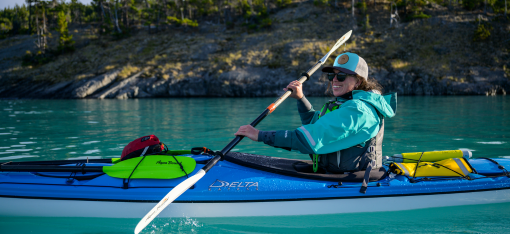
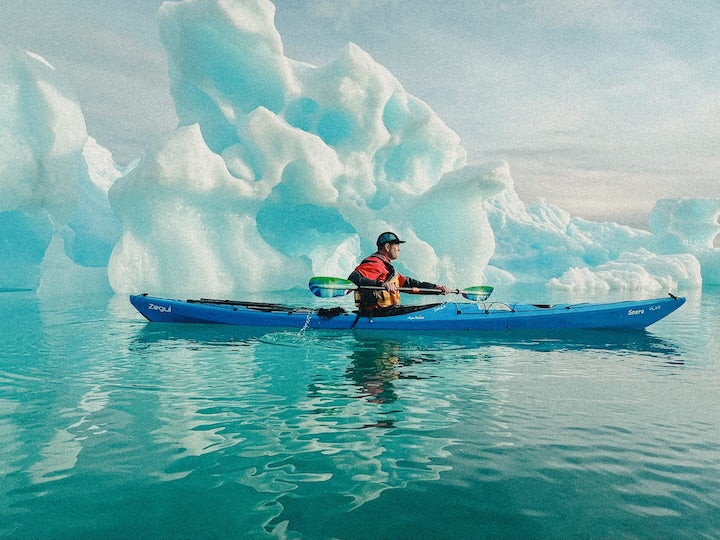
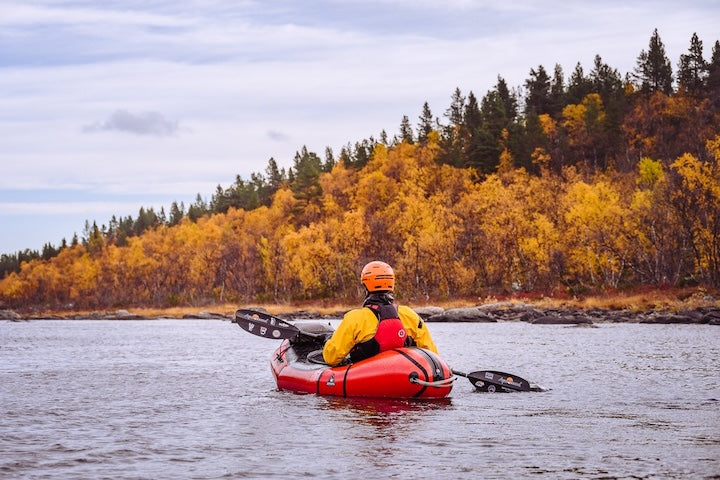
With the insanely busy schedules many of us have, the thought of a paddling micro-expedition can be so appealing. It can be a great way to experience adventure on the water in a short time close to home.
When most paddlers think of a kayak paddle, they think of a 2-piece model. But did you know 4-piece models are available too? How do you know which is best for you?
Are you a high-octane paddler with an aggressive style, or a kayaker with a loaded boat you want to haul easily? Then you want a high-angle paddle that pushes a lot of water and matches your energy. We gotcha covered.
For folks like us who live in the north and have to take the winter off from paddling, we don’t need to get flabby in the meantime! Here are a few suggestions for simple exercises you can do during the off-season to stay fit for next spring.
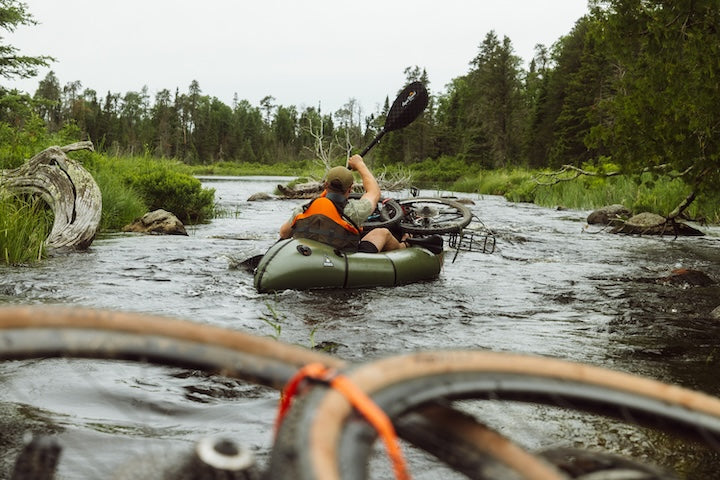
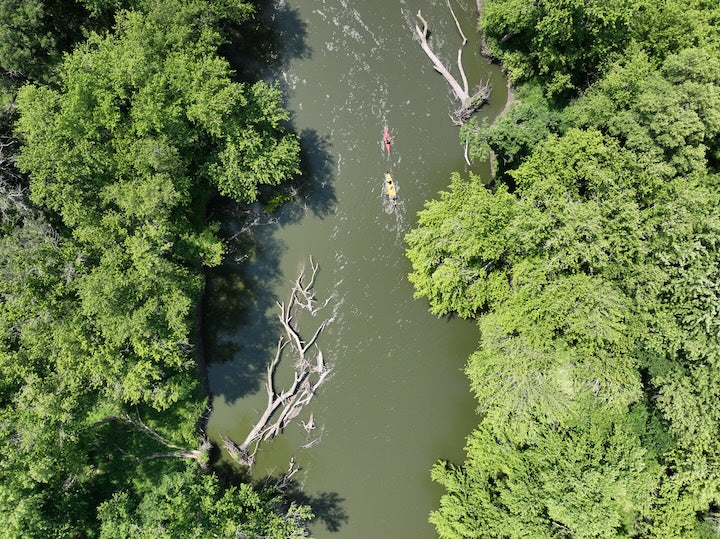
“There’s so much untapped potential for packrafting in the Midwest,” says Minneapolis photographer and paddler Jamie Cooper. “It’s way more attainable than people think.”
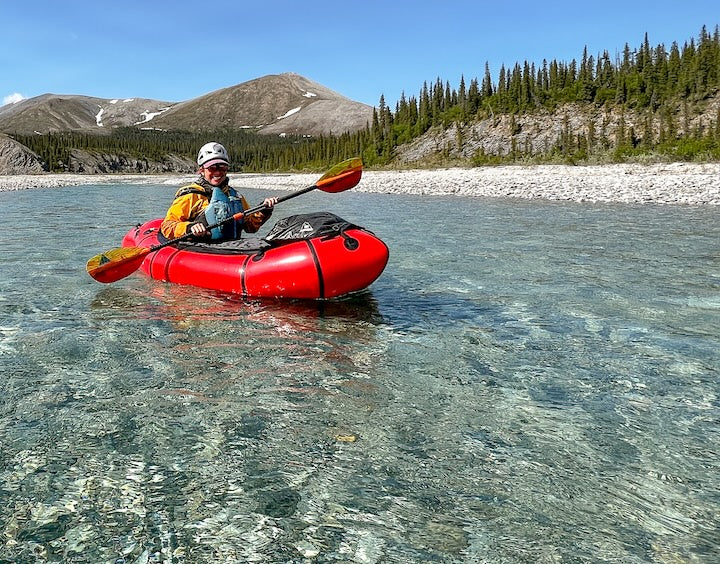
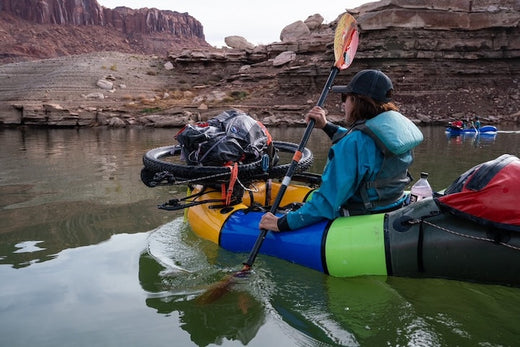
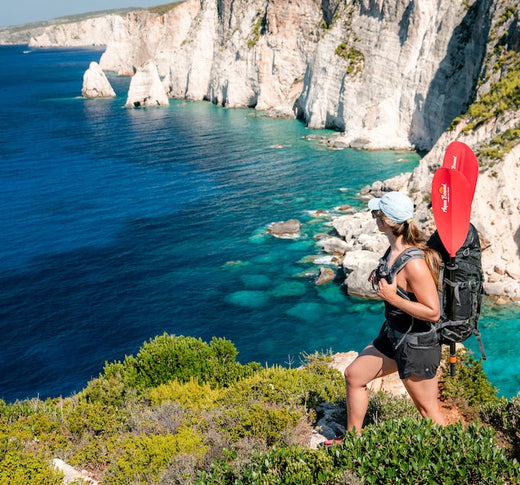
Whether for a 500-mile wilderness adventure or a 6-mile paddle on your local river, packrafts make it easier than ever to combine water and land travel.
When you paddle on cold water or in cold weather, a wetsuit or drysuit a key safety gear in case you capsize. But which is best for you? Let’s look at the differences…
Packrafts are designed to be tough enough to use for hundreds of miles at a time in backcountry waters, both flat and whitewater. But it’s essential you care for yours properly to ensure long life and top performance.
Terrain360 is a web-based resource that showcases 360-degree virtual “tours” of natural resources like hiking trails and water trails. Its many applications include benefits for kayakers, canoeists and other paddlers.
Packrafts are still fairly new on the scene compared to other types of boats, but their popularity is growing. Should you get one? We’ll help you answer that question here.
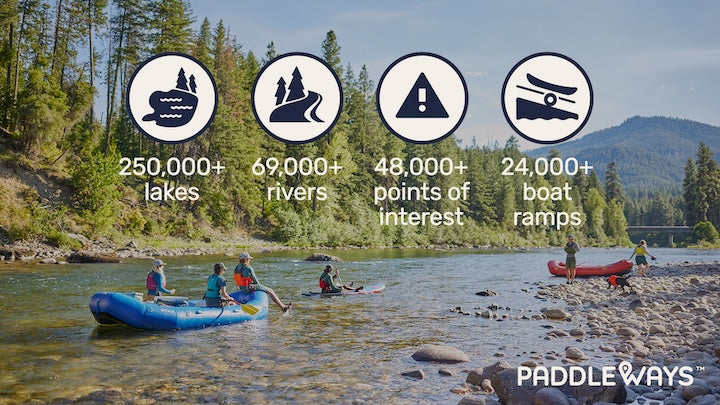
The PaddleWays app is a feature-packed digital tool for those in the paddling world. NRS partnered with onWater (a water recreation app) to develop it and launched PaddleWays in mid-2023.
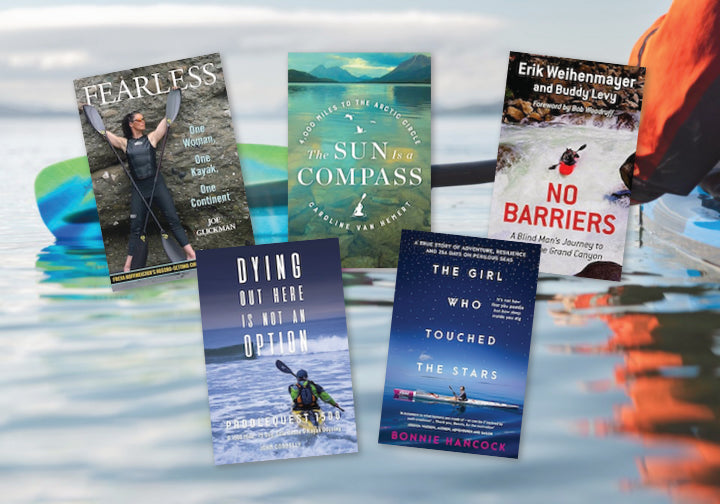
You wouldn’t believe the kayaking adventures people have had over the years! Here’s our list of suggested books for those of you who love to enter into the stories of those who’ve challenged themselves in ways few others have.
Kayaking, paddleboarding, canoeing, packrafting—these paddlesports are amazing ways to enjoy nature, get some exercise and have fun with others. But how do they affect the environment, both positively and negatively?
When you kayak camp, you have some flexibility with food freshness and weight that you don’t in other outdoor adventures like backpacking and canoe camping with multiple portages.
Aqua Bound is one of the founding members of the Paddlesports Trade Coalition, an organization initiated in 2023 and dedicated to becoming the “voice and soul of paddlesports” for the US and Canada.
Alexander “Jalle” Stjernberg is a member of Aqua Bound’s Ambassador team and is uniquely qualified to talk to us about common kayaking injuries and how to prevent them.
Aqua Bound Ambassador Dan Ransom was looking for better ultralight packrafting gear for his own expeditions. So he did what many outdoors folks have done before—he started to make them himself.
Bikerafter and filmmaker Deane Parker and a few mates headed into the mountains surrounding New Zealand’s Dillon Cone by way of the Clarence River. The goal of their trip was the tackle the summit and descent by bike, after an unsuccessful 2017 attempt.
There are so many reasons we choose to kayak, canoe, paddleboard or packraft. Here are some of the main reasons we love to paddle. Which are YOUR reasons to love it?